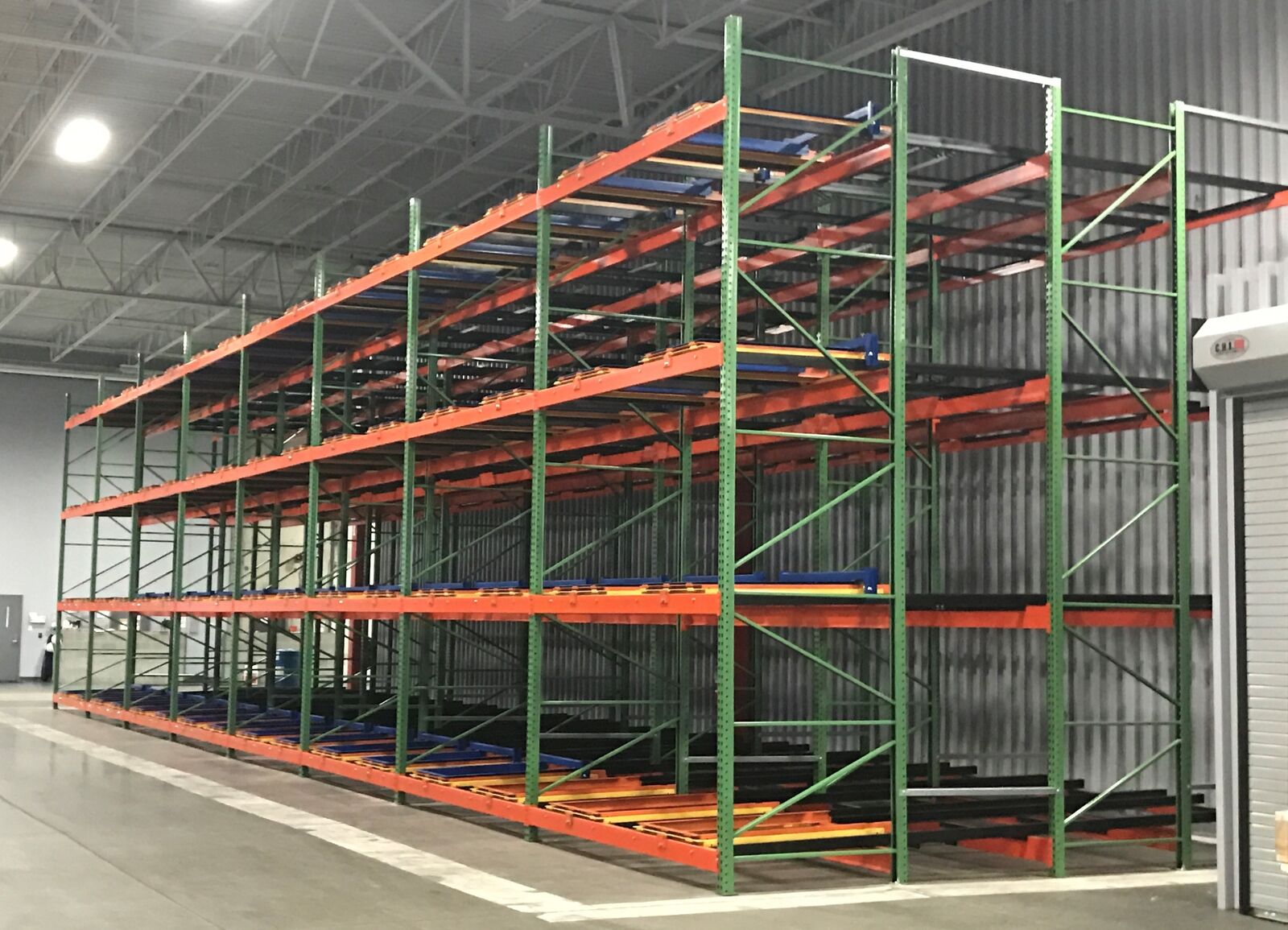
Pushback Rack in Baltimore, Maryland
Pushback Rack in Baltimore, MD starts with a storage problem, not a catalog choice. Container receipts can deliver several pallets of the same item at once into Curtis Bay warehouses. Pushback lanes can consolidate that reserve behind fewer aisles, provided each lane holds one compatible SKU and its last-in, first-out sequence fits your shipping plan. Pushback pallet racking stores matching pallets on nested carts served from one aisle. It adds reserve depth without requiring the truck to enter the structure, but each lane works last in, first out. We compare realistic lane depths against selective storage and show the position count before you commit to a layout.
Why Baltimore Warehouses Work With Us
A building in Curtis Bay may need room for inbound container batches while a Locust Point operation faces a tighter existing footprint. Neither should use the receiving floor as permanent reserve storage. Plan the rack footprint against the actual columns, dock approaches, and working height rather than the leased square footage alone.
Our recommendation starts with pallets per SKU and how those pallets are released, not the deepest lane available. Pushback only saves working space when matching loads regularly fill its carts. We check pallet footprint, overhang, load weight, and the clear height above each inclined rail. A two-deep option may serve changing inventory better than a deeper run with empty carts. Your quote separates rails, carts, frames, and protection, with a layout that makes the reserve gain visible. Installation is coordinated with partners, including loaded cart-travel checks before the proposed lanes enter use. We discuss future inventory changes before finalizing the proposed arrangement and its component list.
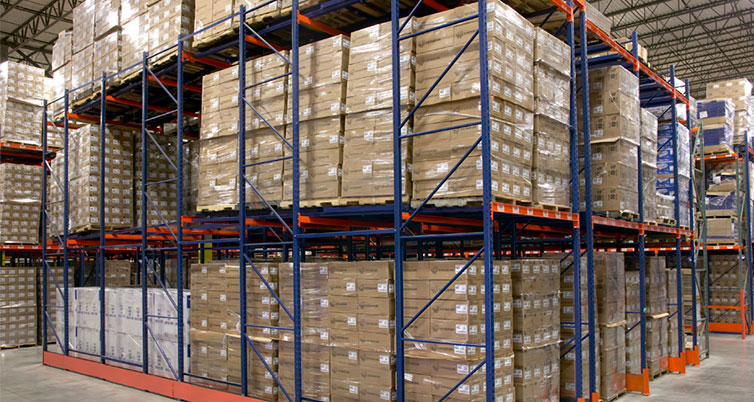
Operations We Rack Around Here
Industrial corridors covered by our service area include Curtis Bay, Locust Point, I-95 and I-895, Port of Baltimore.
How Pushback Rack Works
Two to six pallets deep from one aisle, without giving up much reach.
Loading from the aisle
The driver sets the first pallet on the front cart. Each pallet added after that pushes the cart train deeper into the lane, so one aisle handles the whole depth.
Carts nested on rails
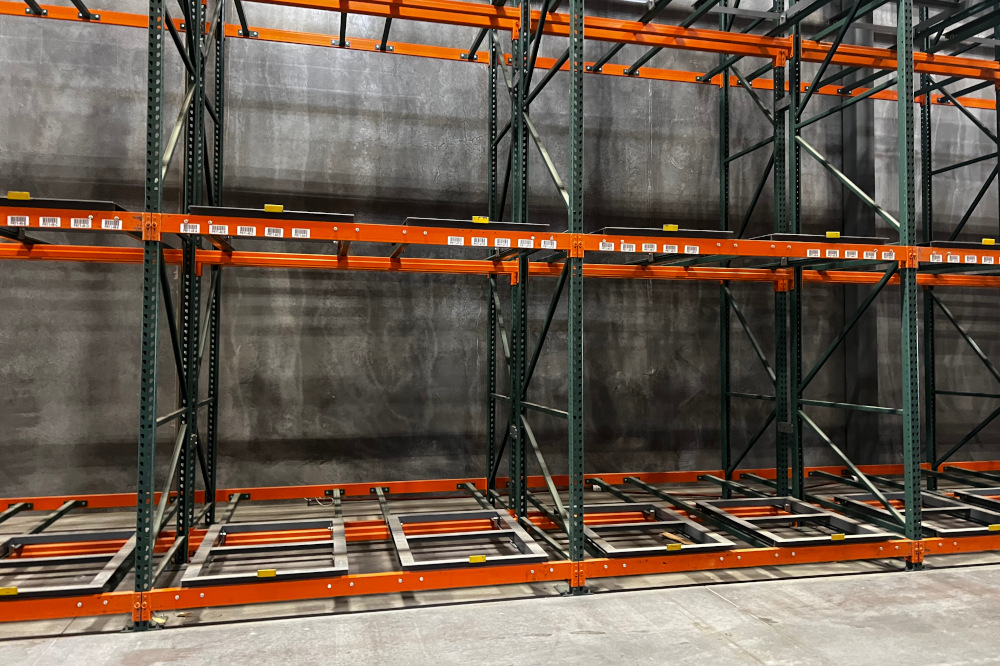
Steel carts with nylon or steel wheels ride inclined rails, each nesting under the one ahead of it - that nesting is what makes multi-deep storage possible from a single face.
Retrieval by gravity
Pull the front pallet and the next cart rolls forward on the incline to the pick face. No driving into the lane, no repositioning pallets by hand.
Last in, first out
Each lane runs LIFO. That suits fast-turning product and any operation managing rotation by lane rather than by individual pallet date.
What a Pushback Rack Project Includes
Pushback layouts are built around the pallet, not the building. We start by confirming pallet type, footprint, overhang, and load weight, because cart spacing and rail incline follow that profile rather than a generic 48x40 assumption.
Next we set lane depth. Deeper lanes store more, but only pay off if you actually carry that many pallets per SKU - so we compare a two-deep and a four-deep version of the same footprint and show what each does to total positions and to how many pick faces you're left with.
The quote covers frames, beams, rails, carts, and guarding, itemized so you can see exactly what the added density costs per position - the number that matters more than the sticker price. Rails and carts are set and tested at installation, and cart travel is verified in every lane before handover.
You end up with a CAD drawing, capacity ratings, a defined loading procedure for your drivers, and a local source for replacement carts and wheels down the road.
Compare filled positions rather than theoretical capacity. If reserve quantities rise only for a short seasonal period, discuss how the lanes will be allocated afterward. Loading instructions, compatible pallet requirements, and capacity documentation belong with the final drawing so the operating team understands the limits of each finished lane.
Recent Pallet Rack Projects
Racking projects completed for warehouses across the Baltimore metro.


Get a Pushback Rack Quote for Your Baltimore Warehouse
Send the basics and we will follow up with a layout and pricing. Prefer to talk it through? Call (410) 305-9766.
Baltimore Pallet Racks
1400 W. Lombard St.
Unit #687
Baltimore, MD 21223
(410) 305-9766Monday - Friday: 8:00 AM - 6:00 PM
Pushback Rack Questions We Hear Most
Other Storage Systems & Services in Baltimore
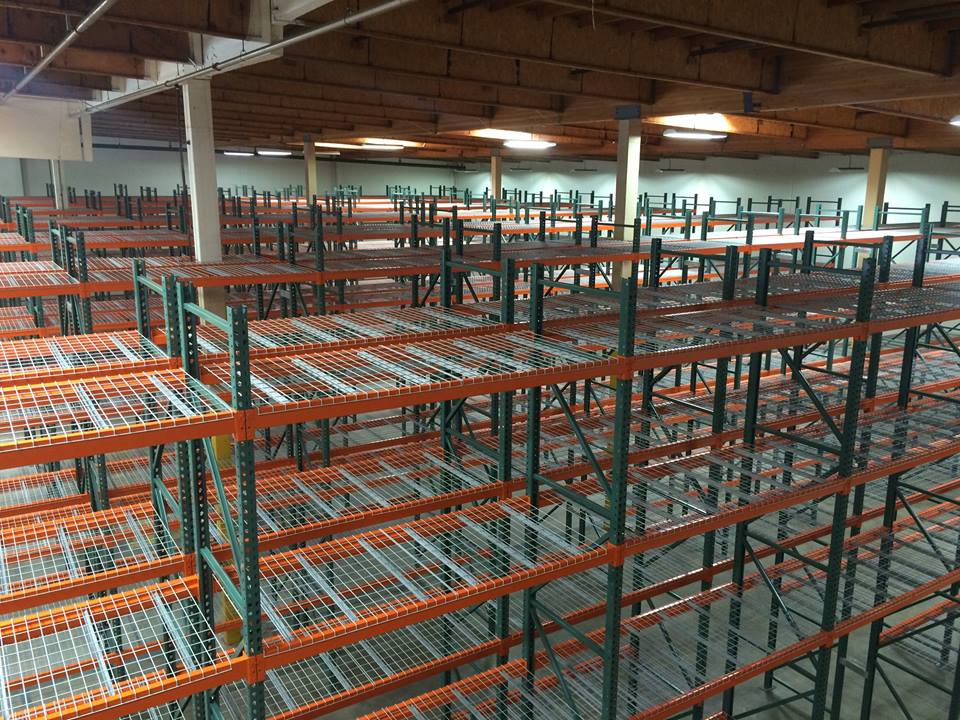
Pallet Rack
Every pallet reachable, every time. The baseline we size everything else against.
View details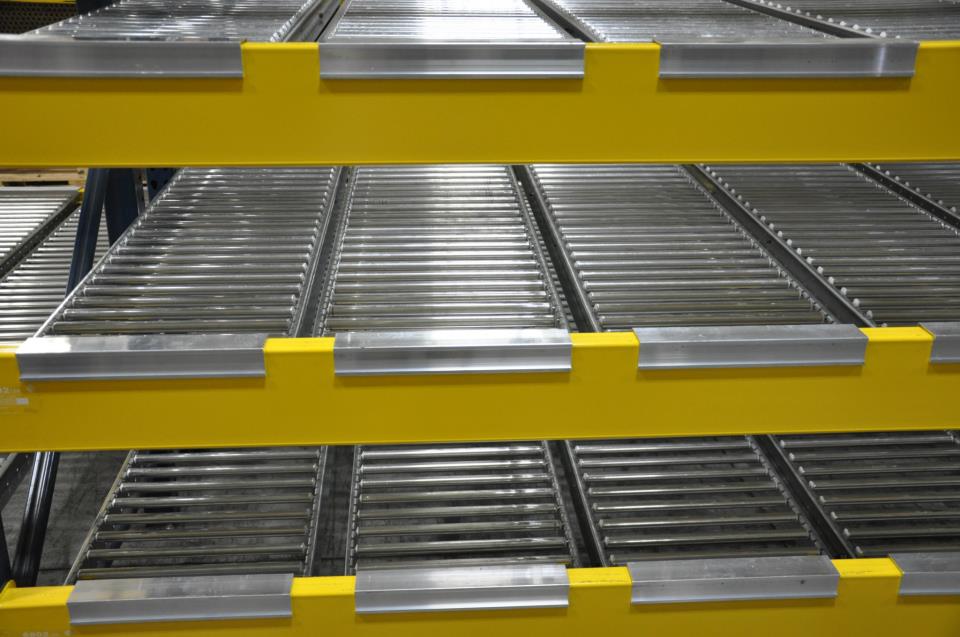
Carton Flow Rack
Cases advance to the picker instead of the picker hunting for cases.
View details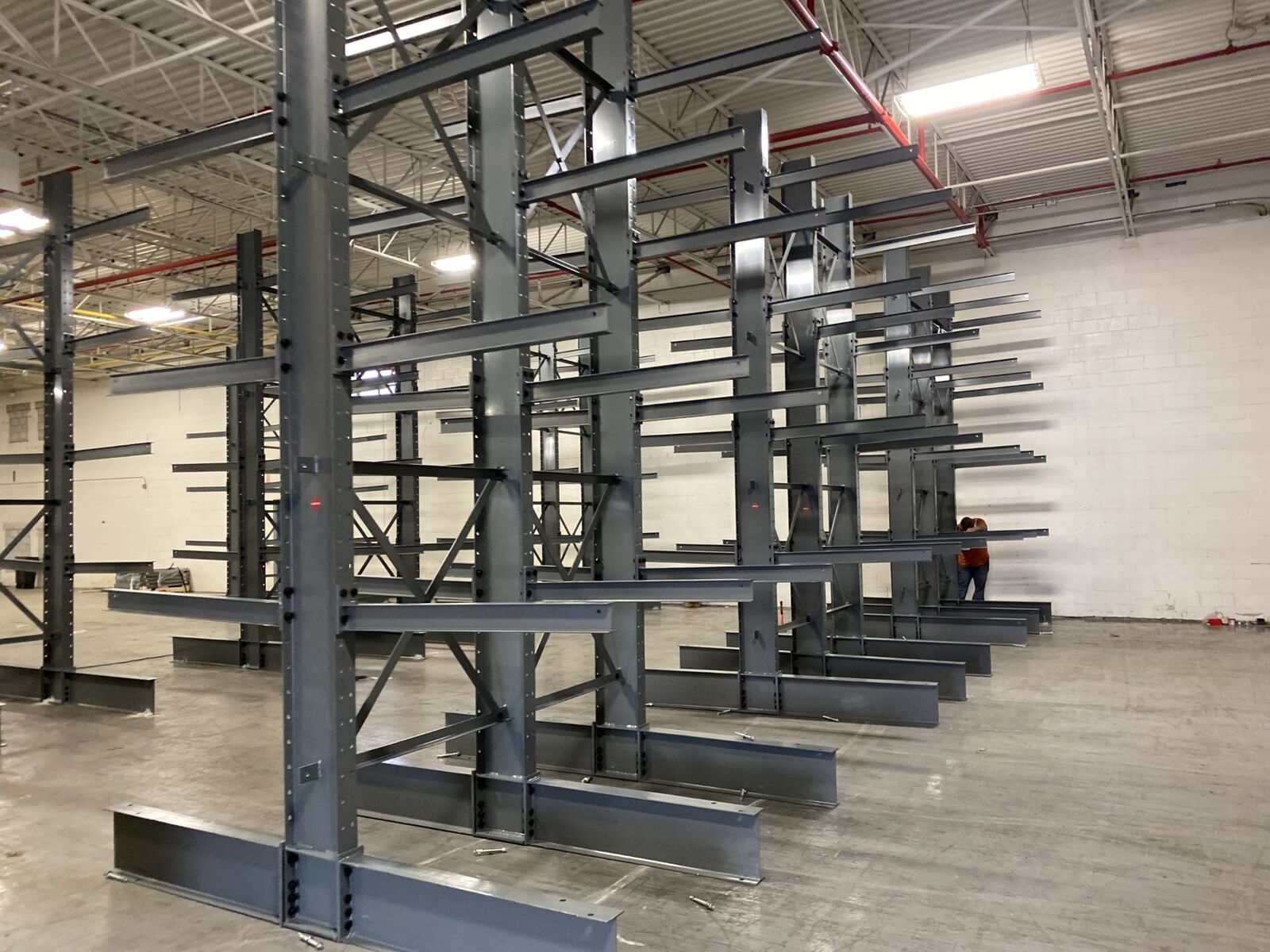
Cantilever Rack
Arms with nothing in front of them, built for lumber, pipe, and anything a pallet can't hold.
View details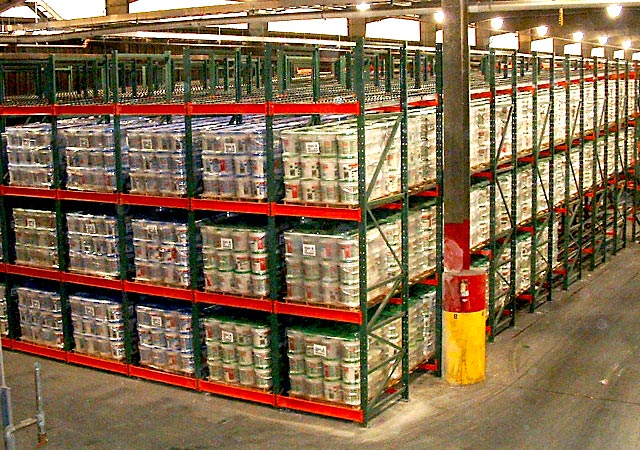
Pallet Flow Rack
Load one side, pick the other, and let gravity enforce first in, first out.
View details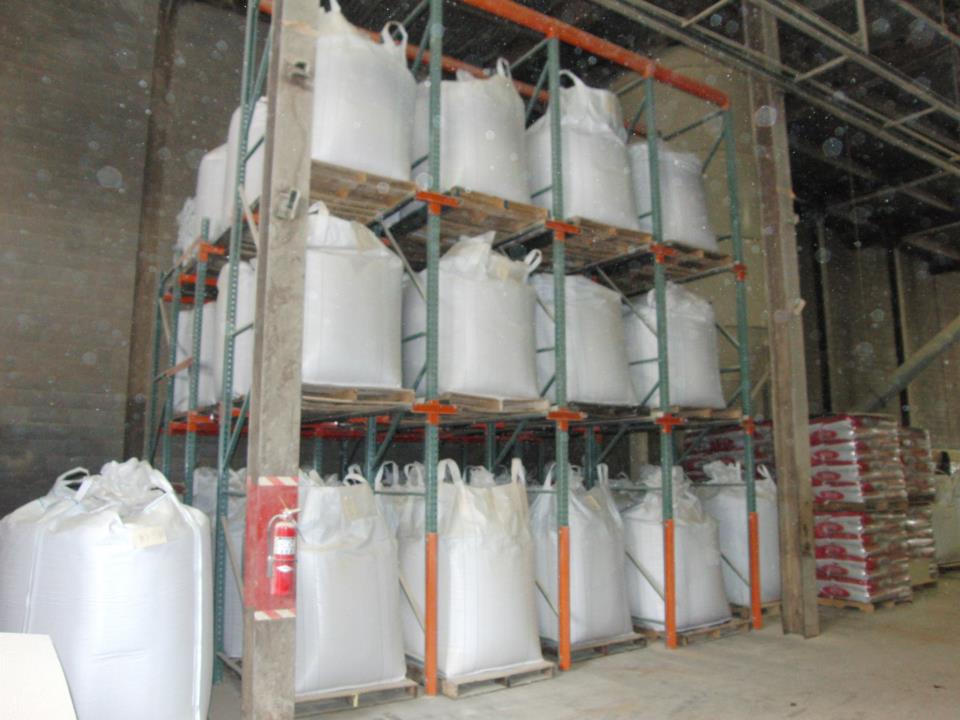
Drive-In Rack
No aisles. The lift truck enters the structure, and the floor holds more pallets in the allotted storage footprint.
View details
Warehouse Relocation
Teardown, labeling, transport coordination, and reinstallation of pallet rack and warehouse storage systems at your next building.
View detailsNearby Areas We Also Serve
Our delivery and installation territory covers the Baltimore metro, with a coordinated plan for companies operating several buildings.
Where We Work
Located in Baltimore, we serve the entire Baltimore metro with industrial pallet racks and warehouse storage solutions.
Baltimore Pallet Racks
Address
1400 W. Lombard St.
Unit #687
Baltimore, MD 21223
Phone
(410) 305-9766Business Hours
Monday - Friday: 8:00 AM - 6:00 PM
Saturday: Closed
Sunday: Closed
Need Pushback Rack in Baltimore?
Call (410) 305-9766 or request a quote and we will get a layout started.